“Listen, the snow is slowly falling across city; Listen, the snow is slowly falling everywhere…“
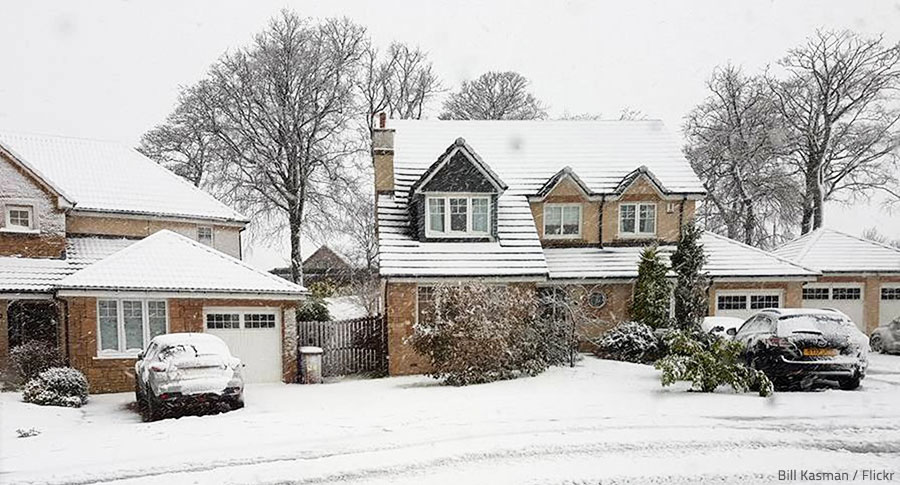
It is the ideal scene for a romantic evening by the fireplace —
It’s certainly not an ideal scene for a home move. Hauling heavy {items
|things }within mountains of snow, navigating slippery surfaces, and monitoring slush {all
over|around} the flooring is as horrible as you envision it to be — and should better be
avoided.
However, moving home at the snow is not an unusual occurrence —
Whether due to the situation or due to the more favorable housing market conditions
and reduced moving prices at the chilly season, lots of folks move in the winter. And
moving from the winter often implies moving
from the snow.
Transferring home at the snow is rather a
Challenge, but it could still go easily and economically — so long as you {take
|choose }the correct precautions and prepare nicely.
Therefore, if
You have scheduled a winter movement, be sure to take a better look in the {expert
|specialist }strategies for moving from the snow beneath — they can save your day in the event the entire world {is
|has been }covered in white in the right time of your relocation.
Strategy Ahead — and Plan for Snow
Residential moves are often scheduled months — or even weeks — beforehand. Thus, when planning the relocation, then you can not possibly know if it’ll be snowing on your favorite transfer date or maybe not. If you are moving in the winter though, the odds of snow on going day are extremely large.
Thus, to prevent costly and difficulties setbacks throughout your winter
Proceed, you have to plan for snowy weather and also carry important steps:
1) Hire specialist moving assistance
Attempting a self-move from the harsh winter conditions is most very likely to cause tragedy. It’ll be extremely tough and very risky to transport your family things over snow, then load them onto the moving truck whenever it’s snowing, browse the big moving automobile down slippery roads, and push through snowdrifts – you risk damaging your possessions, destroying your flooring, endangering your security, and dropping a great deal of time, money, and nerves at the procedure.
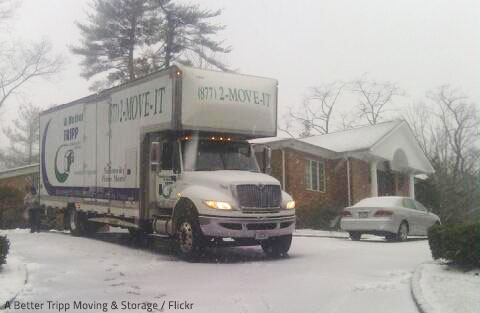
View also: the Largest dangers of a self-move
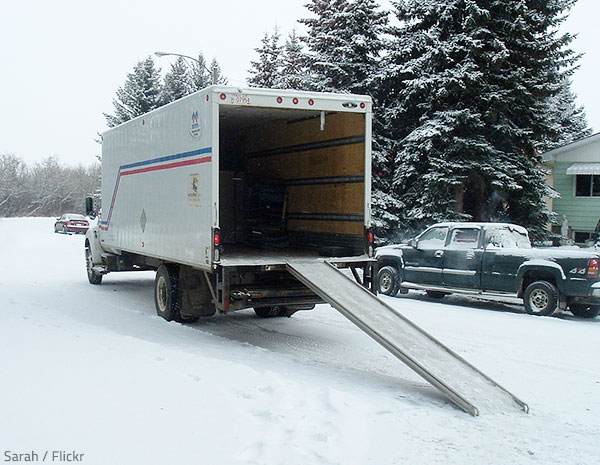
Your very best bet when going from the winter would be to employ professional movers — that they are going to have the rich expertise, professional ability, and technical equipment to carry out your move in a secure and effective way even in frosty weather. The professionals will guarantee the greatest possible security for your items from moisture and cold, will understand how to manage weather difficulties, and certainly will take the strain out of your relocation. Anyway, it is going to be simple to discover a trusted moving company through summer time when transferring providers aren’t in this high need and you’ll most likely have the ability to receive a discount in your off-season relocation. (See also: Advantages of proceeding at 1 year ).
Must-read: The best way to Obtain the best movers to you
2) Assess the weather and also talk about snow issues along with your movers
Maintain
Your eye to the weather at the period leading up to a move so that you understand exactly what to
expect and can plan accordingly. When snow is forecast for this week end of the move,
speak with your movers to find out exactly what their coverage is in the event of adverse weather.
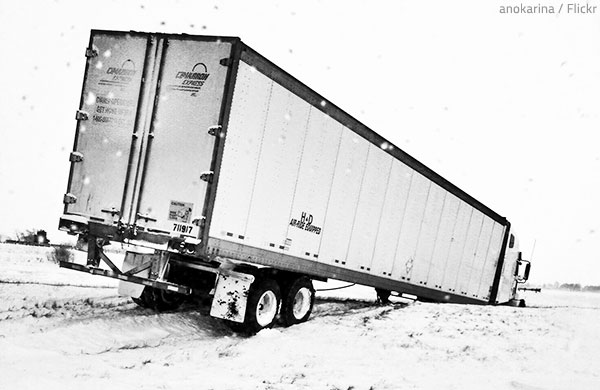
Most reliable moving companies have the tools and expertise to take care of harsh climatic conditions and also are going to have the ability to execute your relocation much in harsh weather. If a serious snowstorm strikes your place in the past few days ahead of your transfer though – or about going day itself – and the roads have been blocked, the moving truck will not have the ability to reach you or even send your items into your new house. In any case, the inclement weather can considerably raise the probability of traffic injuries, property damage, and personal accidents. In these instances, moving companies have the right to postpone a move.
Thus, Make Certain you contact the movers a
Week or so before your proceed to go over snow issues together :
- should they state that the snow is not likely to cause significant difficulties and affirm that your move, make certain to consult them daily prior to moving day again to be certain all is as planned;
- When the movers wish to postpone, learn what your alternatives are:
- The movers might continue to have the ability to pick up your belongings, but maybe not send them into your final destination — even in this scenario, you can stay in a resort before the moving truck has into your new home;
- The business might not send a truck out when they are worried the automobile can get trapped or stuck in the snow — in this scenario, you will need to talk to your realtor or landlord to determine whether you’re able to remain in your previous location a couple of added days.
Either
Way, be certain you’ve got a backup plan in the event you want to reschedule your {move
|transfer |relocation }(see below for information ).
Great to recall: Be Sure to check the weather nicely in
Improvement of moving day, track it carefully in the week leading up for {your
|a }relocation, and keep after it carefully right up before the movers arrive. {Don’t
|Do not }overlook that weather conditions can vary in hours and maintain the radio {on
|}throughout the huge day to make certain you understand the most recent upgrades – when {there is
|there’s }a blizzard approaching or streets have been shut, etc.. It might also be a great idea to
consult your regional government before the movers leave to make certain that the
streets are passable.
3) Get the Essential equipment
Stock
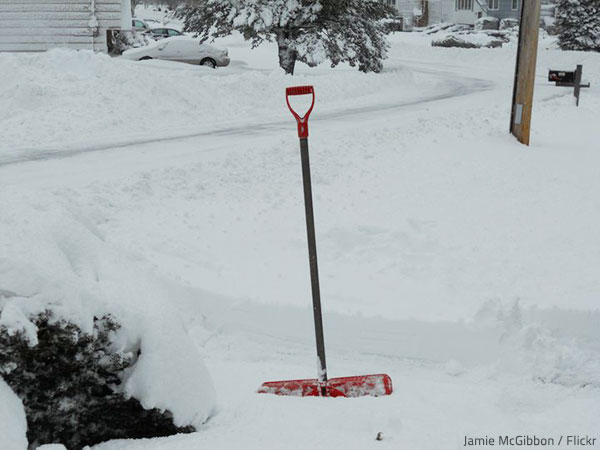
Up on chilly equipment — snow shovels, sand or salt, vinyl sheeting, tarp, old
blankets or sheets, etc. — which that you can easily and satisfactorily respond to weather
issues in the right time of your movement.
Maintain
Your winter supplies available (in the event you want to handle snow on going day)
and also be certain that you’ve got an excess heater and tons of warm drinks prepared for
the significant day, also.
4) Take good care of these utilities
Contact
Your present service providers and program the utilities in your old house to
be turned off to the day following your move. Make arrangements to your utilities
in your new location to be ready to go on move-in day (it is ideal to have
everything turned on the afternoon before to prevent unpleasant surprises — going {in
|from }the snow is difficult enough, but going to a chilly house without a gasoline and {electricity
|power }without running water is going to be a truly amazing expertise from the dead of
winter).
Connected useful read: The best way to move utilities when shifting
Even though
It is of paramount importance to make sure that all utilities are set up and
are fully working in the time of your transfer, you are advised to keep the {heat
|warmth }turned to non for the very first couple of hours after arriving on your new house since {you’ll
|you’re going to |you are going to |you will }be carrying your things in and the door will be available the whole time, therefore {it
will|it’s going to|it’ll} not be possible to heat up the location – turning up the warmth will simply {result
in|lead to} wasted cost. In any case, carrying and lifting heavy things will {make you and
|cause you to }everybody else involved with the movement warm and might even make you sweat.
Likewise,
When going from your previous house, you need to turn off the heat – using the
movers moving out and in, the doors will probably be perpetually open and there’ll {be
no|not be a|not be any} use in cranking up the warmth. It’s a great concept, but to maintain a {small
|little }room warmed (it is possible to use a room heater), which means that you and your movers may go there {for
|to get }a rest and heat up. (Obviously, the area where your children and/or pets
remain during the transfer also needs to be maintained properly warmed.)
5) Strategy for Children and pets
When moving
In frosty weather, you want to take additional good care of your kids and your pets –not
merely keep them from harm’s way, but also make sure they are {warm and
comfortable|comfy and warm|comfortable and warm}.
If
Possible, arrange to your young children or animal buddies to keep up with a
relative or a close friend on going day, so they are warm and safe and you
do not need to be worried about these. Otherwise, hire a sitter to care for your little
ones at a safe, well-heated area off from the moving insanity. Take extra
precautions to keep your pet(s) from slipping out of their home — should they escape
and get lost in the arctic cold, the results could be grave.
Maintain your
Children along with also your pets’ winter equipment easily accessible and do not forget to
pack some additional warm clothes, soft blankets, along with other proper {comfort
|relaxation }items for the little ones on your essentials box.
6) Learn your travel course
If you are driving to a new home, Make Sure You plan your
Travel route beforehand. Bear in mind that the quickest path might not always be
the most secure and most adhere to well preserved, major streets at which the probability of {getting
|being }stranded at the snow will likely be smaller. Figure out the areas of overnight {accommodations
|lodging }along your chosen path, which means you know exactly where you’re able to cease if the weather gets
worse if you are on the street.
Make Sure You check the terms along your travel route a
Few days before going day – and right before you leave – to make sure that
the streets are passable (or even to start looking for an alternate route if they are not).
It is ideal to get in touch with the regional government to discover whether the highways are {open
and safe|safe and open} to proceed (every nation has a contact number or a {website that
|site which }offers ordinary weather and traffic updates).
It Is a Great idea to Provide a friend or a Relative who is not
Traveling along with you a copy of your trip program. Create a call-in program with {that
|this }person so that they understand where you’re – and if you are safe — constantly.
7) Get your vehicle for driving in the snow
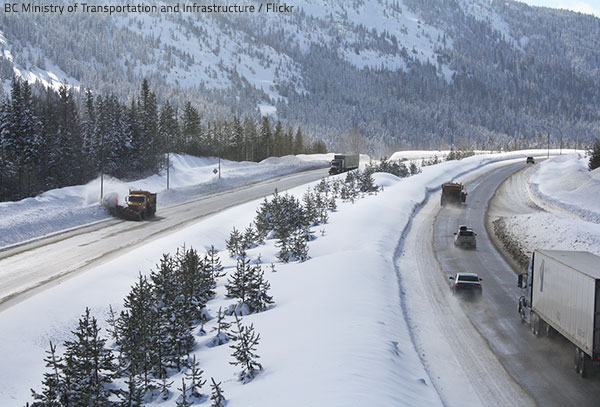
Driving in snow is quite difficult and hazardous, which means you want your
Automobile to be in prime shape for a chilly excursion to a new house.
Ensure you have your automobile serviced and winterized
Prior to the transfer:
- Have your vehicle checked well beforehand of your transfer (pay particular attention to your batterylife, aluminium system, and brakes), therefore there’s plenty of time for repairs when some are required;
- Refill antifreeze and have the oil changed to find the perfect viscosity for optimum winter operation;
- Get windshield washer liquid especially made for chilly weather;
- Get winter wiper blades which are flexible enough to withstand very low temperatures and also provide far better protection against the accumulation of ice and snow;
- Buy snow tires which offer enhanced grip on icy streets. Think about placing on chains.
When driving in
The snow, let yourself lots of time to attain your final destination and also be
really careful — prevent accelerating too fast, slamming on the brakes, making
sharp turns, and overtaking other vehicles also make a good deal of space between your
vehicle and the car in front of you since quitting will require more on snowy
or icy streets.
8) Produce a winter survival kit and then take it into your car
When going from the snow, as well as a moving essentials box, you will need to package a distinctive survival kit, which means you are prepared for any problems that could appear on the road for your new house. Your winter proceeding survival kit must have a snow scoop, an ice scraper, a couple of jumper wires, a gasoline can, additional windshield fluid and antifreeze, some de-icing salt (or even a bag of sand), emergency flares, a first-aid kit, and a tool kit, and a spare tire, a tow rope, and a flashlight, and a couple of comfy blankets, bottled water and also non-perishable bites, plus some warm clothes (sweaters, coats, hats, gloves, scarves, socks, rain boots, etc.) for many household members, in addition to an emergency contact list (you also want to get all important telephone numbers, such as roadside assistance and a few for reports on street requirements ).
It’s also a
Fantastic idea to prepare some additional, weather-appropriate things which can {help you
|allow you to }feel comfortable in your new location upon coming – tea and strawberry, a {portable
|mobile }water heater, plus a little space heater, additional blankets, etc..