Summer is usually believed to be the best time for a family to move — that the weather is fine and it is simpler to execute the actual relocation, research the new place, and adapt to the new atmosphere. What is more, school is out and kids have sufficient time to become used to their new environment and new lifestyle before classes begin again in the autumn.
Nevertheless preferable a summertime move might be however, circumstances occasionally require moving during the autumn, winter, or spring up and allow it to be inevitable for children to change schools midyear. And while moving colleges is obviously difficult, doing this throughout the school year might be to the better — it will not be easy for a kid to adapt to a new program, new principles, and new educators midyear, but it is going to give them an opportunity to satisfy new friends and adapt to the new surroundings more readily. Additionally, teachers and pupils in the new school will already feel settled and are far more inclined to reach out into the new child and give them extra attention and support.
So, even when you’re going through the college year, your child’s transition into a new educational center does not have to be stressful or daunting — you can be certain that your child sees the move as an exciting experience and the new college as an important part of the experience. This is the Way to accomplish this:
How to Get Ready for Moving a Child Through the School Year
It’s common for kids to fear change, so the possibility of moving somewhere new and changing universities is sure to upset them and pressure them out. The very best thing you can do to relieve your child’s anxiety and lower the stress will be to prepare them for the shift in addition to possible and help them view the most exciting and positive facets of the move.
1. Go over the Move with Your Child Well at Advance
The longer children need to process their own feelings of moving home and shifting schools, the better. So, Be Certain to Talk with Your child Whenever your approaching relocation becomes a particular fact:
- Inform your child about the relocation and clarify the reasons why you are moving and what exactly the relocation procedure entails;
- concentrate on the positive elements of the movement — fresh chances for enjoyable adventures and pleasurable activities, new areas to explore, new friends to meet, a much better college to attend, etc.,. Make sure you spark your child’s curiosity in the new region and make them feel enthused in their new lifestyle;
- Invite your child to ask questions regarding the transfer, the new residence, the new place, and also the new college and do your very best to reply in a fair and reassuring manner;
- Encourage your child to discuss what they are concerned about and how carefully address each and every issue;
- Ask your child to create a list of what they are looking ahead to about a brand new college;
- Inform your child that you are there for them and they can always rely on you to help.
See also: Moving with children
2. Research Schools in Your New Area

Start researching schools on your town or area several months ahead of your relocation date. Have a look at the standard of instruction in various schools, the course alternatives and on-site centers, the after-school pursuits and extracurricular activities available for pupils, etc.. If a child is old enough, then show them the listing of colleges in your new area and the information that you’ve gathered about them and go over the advantages and disadvantages of various schools.
If possible, tour the colleges yourself to get a sense of the air in every one of these.
Ensure that you opt for a location with a favorable environment which works for your child’s particular requirements and tastes.
See also: The best way to Locate a new school for the kid later proceeding
3. Stop by the New Place With Your Child
If at all possible, take your child to see the brand new city and show them around — go see your new residence, explore the region with each other, start looking for interesting areas your child is very likely to love, etc.. If your child is aware of what to expect and expects new experiences coming up, they’ll be more inclined to take the impending shift in a positive way, not worry so much about moving home and shifting schools.
Make sure you request a tour of this new college too, so that your child can go through the school setting firsthand, get to understand where the classrooms, cafeteria and other significant things are, and imagine themselves at the new location.
If you are moving long distance and can not see your new city prior to the move, reveal your child lots of images of this new region and the new college.
It’s frequently the unknown that kids dread the most, so having the ability to imagine the new environment will help your child unwind and overcome their anxieties.
4. Speak to the New School’s Principal and Teachers
When moving colleges midyear, it is Extremely Important to get in touch with the new school’s management and staff well beforehand — either in person, by telephone, or through e-mails:
- Request just what the moving process includes and ways to allow it to move fast and easily;
- Request about expectations for yourself and your kid;
- Identify program differences and ensure that your kid is up to pace with the newest school’s present program;
- Point out your child’s strengths and passions and inform teachers of any particular requirements or instructional challenges your child may have;
- Ask about the college’s plans for helping new students adapt — a friend system, a peer support system, etc.. Additionally, it is a fantastic idea to present your own child to the new school’s guidance counselor that will help your child adapt;
- Learn when classes start and end, how drop-offs and pickups are managed, and what shipping options are available.
Speak with other parents at the new college too — they can supply you not only with a great deal of helpful practical advice, but also with invaluable insight about the institution’s social dynamics. What is more, if your child is still quite young, meeting other parents can make it simpler to arrange playdates and will help your child make friends more quickly.
5. Help Your Child Say Goodbye to Their Old Life

Leaving behind friends, teachers, classmates, and preferred areas will not be easy for the son or daughter. To help them overcome the despair and get excited about their new lifestyle, You Have to help them state their appropriate goodbyes before the transfer:
- Strategy some exceptional going-away occasions — see your child’s favourite places in the town, take them into the films, go for a picnic, etc.;
- Organize a farewell celebration — invite all of your kids’ friends over and let the little ones have fun together;
- Create a record of memories — include images of your kid’s old school, classmates, and teachers, notes out of your child’s friends, etc..
- Create a contact list of buddies out of your kid’s old school and area to help your child stay connected with their pals following the transfer.
Connected: 8 ways to Bid Farewell to your household ; The best way to say goodbye to friends when going
6. Involve Your Kid at the Moving Preparations
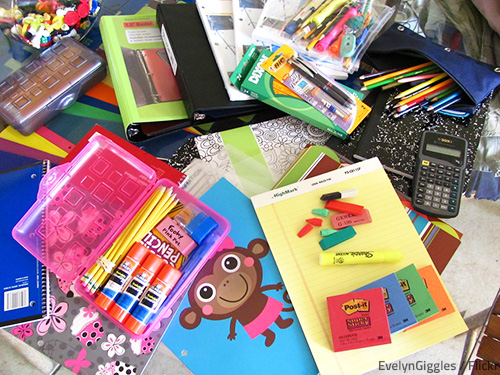
Among the greatest strategies to get your move less stressful for the children is to get them engaged with the transferring process. Invite them to type out and pare down their possessions, to package their own items, and to help tag the moving boxes. Ask them how they’d like their new room to be decorated and arranged. Let them select their brand new school supplies. This may show your child that their opinion matters, will cause them to feel useful and valued, and will help reduce stress and anxiety.
Moving to a different location and shifting colleges midyear will not seem so frightening any more.