HomeMoving BlogHow to Pack for Long-Term Storage: Efficient Long-Term Storage Tips
How to Pack for Long-Term Storage: Efficient Long-Term Storage Tips
Tuesday, December 18, 2018
Your treasure vault.
Whether you are downsizing, moving from town for a specified period of time (on installation, job assignment, extended traveling, etc.), or decluttering your house but not feeling prepared to let go of now unneeded but possibly useful or highly precious possessions, or you will need a location in which to keep your things secure and from the way till they’re desired again — be it at a few weeks, following a year or two, or whenever your kids grow up and have houses of their own.
When it comes to long-term storage, even weatherproof components are the very best choice — they offer convenience, efficacy, and security which will guarantee your peace of mind and also save you a lot of headaches later on.
Still, you cannot just take your things to the closest self-storage centre and toss them in the first empty cell you locate — you want to pick a suitable storage area and prepare your things well, so that they stay in great shape while in storage. More importantly, you want to learn how to package for long term storage, in order for your possessions stay sound and safe until you want them again.
Packing for long term storage differs from packaging for temporary storage or packaging for transferring — your things need to be so well protected that they endure years into storage without maintaining any damage or decreasing their allure. This is only possible when they are properly prepared and securely packaged.
Below are a few informative packaging strategies for long-term storage which can allow you to maintain your things safe and sound, so however long they remain in storage.
Pick What to Place into Storage
Irrespective of the reason why you require long-term storage, the very first thing to do is to determine what of your possessions that you wish to maintain — storage comes in a price rather than all of your older things are worth the price of keeping. (See also: Top 5 self-storage problems)
Therefore, Before You Begin looking for a storage area or preparing the items for safe keeping, proceed through your possessions and evaluate every single piece:
Can you (or some part of your household ) want it ever again?
Could it be practical and more convenient?
Could it be in a fantastic general condition?
Could it be high quality and lasting?
Could it be pricey?
Is it hard to discover or not possible to substitute (antiques, pieces of artand collector’s items, etc.)?
Can it have some sentimental value (a family heirloom, a home made, a personal favourite, etc.)?
If you answer”yes” to over two of those queries, then the product is well worth maintaining and you need to get a secure and effective means to keep it for future usage.
Locate an Appropriate Storage Option
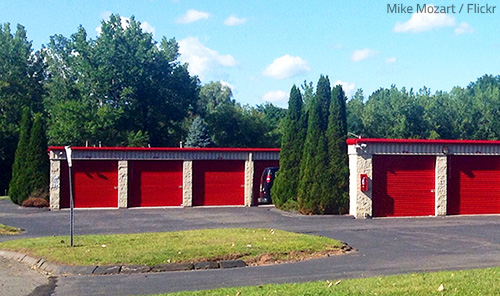
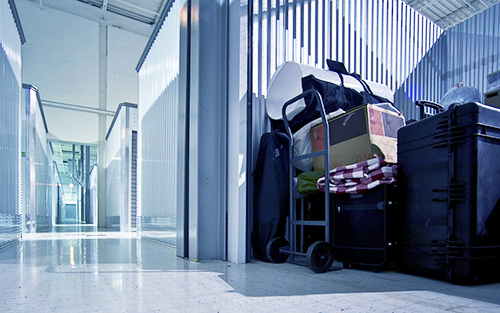
Your precious possessions could be safely stowed behind one of these doors.
When you understand just what you’re likely to place into storage, then you will have the ability to evaluate exactly how much storage space you’ll need and what storage requirements will be asked to guarantee the protection of your property.
As previously mentioned, renting a storage device is the very best bet when keeping things for a protracted period of time. At a fantastic self-storage center your possessions will be kept safe and protected against the elements, and that means that you won’t need to be concerned about them being damaged or stolen while not on your own care.
Your main task, therefore, is to find an Proper storage area for your things – not all Long-term storage components are the Exact Same and picking the right one needs some serious thought:
1) Self-storage unit dimensions — Your storage device ought to be big enough to accommodate your things with no being jammed inside but not too large that you find yourself paying for unused space. Storage units come in a Variety of sizes, so you should be careful to choose a distance that perfectly matches your requirements;
Two ) Self-storage facility state — This goes without saying that your belongings will be safer at a well-kept centre — that the buildings ought to be in good repair, clean, and well preserved (so there’s smaller chance of water flows and insect infestation ), there needs to be adequate lighting, loading docks, drive-up accessibility, and ample parking area (for larger amenities ), etc.)
3) Security — Undoubtedly, the protection of your items are going to be your top priority when selecting a storage device, which means you need to decide on a facility having a solid fence and contemporary entry gate, advanced surveillance apparatus and fire prevention method, reside guards, etc..
4) Climate-control — Humidity and temperature changes should be your biggest concern when storing things long duration — dampness may lead to rotting, rusting, warping, discoloration, swelling, or mould growth; intense temperatures may cause some substances to enlarge, contract, and dry out, or become fragile and more prone to breaking. Dust can also be debatable as it collects in even the very well-sealed storage components and operates its way to paperwork, clothes, resources, and other things, causing harm to delicate timber surfaces, delicate materials, and beautiful materials. Insects, rodents, and other insects are just another issue since they pose a genuine threat for a stored belongings.
These issues can be prevented by keeping your things within an climate-controlled unit. It might cost a bit more, but climate controller will permit you to keep up a constant temperature, so maintain humidity at an optimum level, and ensure decent air flow within the storage device. Your belongings will be well protected from moisture damage and temperature harm as well as the continuous air flow may keep dust from setup. What is more, rodents and bugs are extremely unlikely to be within climate controlled storage units. Climate-controlled storage is, thus, your very best choice when storing things for over 1 season.
You may find more comprehensive info about the best way best to opt for a self-storage facility here.
Train Your Things to Long-Term Storage
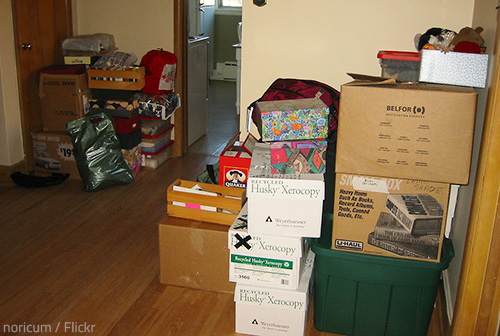
All prepared to be stowed off.
Now that you have determined which of your things will enter long-term storage and discovered that an Proper storage area, it is time to prepare your own possessions for their long stay away from your home:
Organize the things which you want to enter storage at a systematic and purposeful way;
Produce a comprehensive inventory checklist of these possessions you are storing away so that you don’t overlook what you need on your storage area and possess a written proof of this kind, amount, value, and state of your saved items (that will come quite handy if your possessions become damaged or stolen while in storage). Keep a digital copy of the stock list online for fast reference, but be certain to have many paper copies (stored at different secure areas ) too;
Clean the things completely to help keep insects at bay and avoid stains from settling in permanently — wash cloth stuff, wipe hardwood surfaces, disinfect appliances, and vacuum upholstered furniture, etc..
make certain the things are totally dry before packaging them up — almost any residual moisture may result in mold growth and/or other types of rust damage;
Disassemble bigger furniture to decrease the danger of harm to some milder bits and conserve space at the storage device;
Be sure all water is totally drained in your attached hoses and/or inner mechanics of kitchen appliances;
Blend and protected wires, cables, and electric wires;
Heal leather items using a leather conditioner;
Wrap delicate things, sensitive electronic equipment, pieces of artwork, and some other delicate or valuable things separately in soft packaging paper.
Click on here for more special suggestions about the best way best to prepare various things for storage.
Pack Your Things To Long-Term Storage
Household things can quickly deteriorate to temperature, humidity changes, or bodily harm if stored badly, also for a brief time period. Obviously, when it has to do with long-term storage, then the probability of harm is significantly greater and specific precautions are needed to guarantee the security of your cherished possessions. However, what do you do to ensure that your things remain intact and cluttered while in storage? The way to package for storage in order for your possessions stay in great shape for weeks or even years on end?
The best way to package for Long-term storage is to Supply your things with decent protection:
Use Suitable Long-Term Storage Boxes
To continue to keep your things well protected to the whole length of the storage period, you want to use the ideal sort of packaging containers — powerful containers in exceptional condition which are perfectly clean and dry.
The sort of storage containers that you use could make a massive difference to the protection of your items.
Mature boxes from grocery shops or other similar areas will not do — they are not hardy enough and clean enough to help keep the things protected (their integrity will be endangered by prior applications and they might not have the ability to resist piling or might fall apart in a couple of months; there might be stains or even leftover food indoors which can bring in pests or lead to mould to grow; therefore ).
It is ideal to buy new packaging boxes that will endure for decades and will offer decent protection for your items. Elect for solid cardboard boxes in comparable dimensions which are going to be a lot easier to pile and will make it possible for you to maximize the space in your storage device.
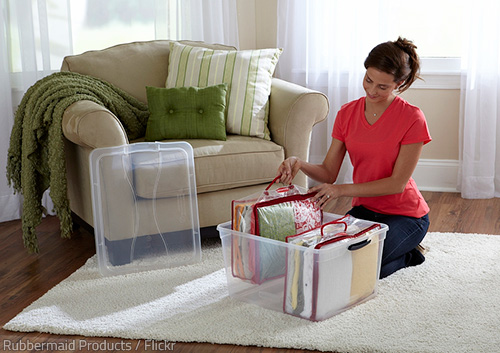
Packing in transparent plastic bins will be also a fantastic idea – they are sturdy and incredibly resilient (vinyl boxes don’t tear, meltdown, or smash ), translucent (making them very handy to utilize ), watertight, and made to pile together with one another. Avoid using plastic totes however — they could trap moisture and cause mould to grow in your objects (and of course that they tear easily and cannot be piled whatsoever ).
Pack Your Things With Extra Care
Good packing may mean the difference between deterioration and preservation of your saved items. Thus, take your time, Learn the most effective and most effective methods to package Unique Types of things for storage, and also pack like an expert :
Attempt to package similar things (toys, books, kitchen products, etc.) collectively;
Line the bottoms of those boxes with crushed paper for insulation and cushioning;
Place heavier items on the bottom of a box and lighter ones at the top;
Fill boxes for their whole capability — otherwise they could cave in when piled in the storage device and cause harm to the things inside;
Be careful to not overload the packaging containers or create them too thick, so that they do not tear or provide out in the base;
Supply loads of cushioning within the containers — even crumpled paper, bubble wrap, towels, and old clothing, etc. (just make certain any padding stuff you use are entirely dry and dry );
Seal the sticks nicely to avoid dust and moisture from getting inside (utilize quality moisture-resistant packaging tape);
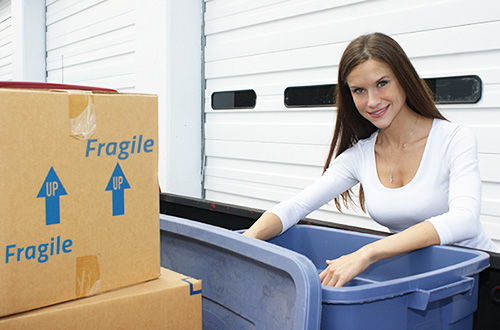
Label the storage containers too fully, clearly, and exactly as you can, which means that you understand just what each of these comprises and can quickly find certain things if you want them. Compose FRAGILE, THIS SIDE UP, or some other essential tackling instructions on storage containers which contain delicate, delicate, or sensitive products. Be certain that the letters are big and easy to browse (so that the writing is more clearly observable ) and the tags do not drop off easily (use clear packing tape to attach them into the storage containers – all corners and borders have to be recorded on). Don’t use pens or dry erase markers for tagging storage containers, since they rinse off quite easily. Also, Be Certain to tag the boxes onto their hands, not in their shirts, so you can see the data even if the containers are piled;
Take your time and package your things with extreme caution – your efforts will pay off.
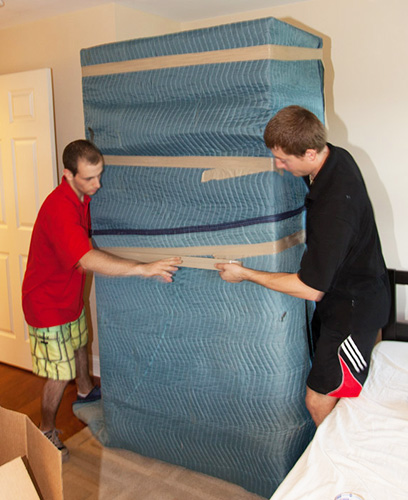
Cover all furniture pieces, kitchen appliances, kitchen appliances, along with other bigger household items which can not be packaged in containers with old sheets, blankets, drop cloths, vinyl sheeting, or other proper covers to protect them from harm, dust, dirt, moisture, and even evaporating. Hold on the wrappings set up with vinyl wrap or packaging tape, but you should be cautious to not utilize either directly onto wood surfaces, glass, upholstery, or other fragile stuff — that the tape can leave sticky residue along with the plastic stuff might trap moisture, resulting in damage to the own items;
Prevent keeping valuables (files, jewellery, irreplaceable things, etc.) at a self-storage apparatus;
Don’t store toxic things (flammable, corrosive, or explosive materials), perishable items (food, medications, etc.), or objects which create odors at a storage mobile.
Along with those general rules for packaging for long term storage, then you will need to learn how to correctly protect every single thing which you put in to storage. Obviously, different Sorts of things have their own details and packaging requirements:
The best way to package furniture for extended term-storage — clean the furniture and create bigger bits. Wipe metal components with oil, use a coat of furniture polish or glue wax on wooden surfaces, and also handle upholstery using fabric/leather shield. Wrap protruding furniture components in soft fabrics or bubble wrap and then wrap the whole furniture pieces inside thick blankets to maintain the surfaces protected from scratches and scratches, stop the accumulation of dust and soil, and permit air to circulate freely around those bits. Set mattresses in technical mattress totes (See also: The way to package furniture for transferring );
The best way to package appliances for extended term-storage — Defrost refrigerators and freezers, drain the water out of washing machines, dishwashers, along with driers, wash out the appliances (add baking soda into the cleanup solution for appropriate disinfection), protected hoses and wires, and also wrap the appliances from thick blankets (See also: The best way to package house appliances for transferring );
The best way to pack electronic equipment for extended term-storage — Ensure the electronics are fully dust-freeand wrap them into soft packaging paper, and place them in their original boxes or types of comparable quality and size. Fill any empty spaces at the storage container with crumpled packing paper or anti-static packaging peanuts and seal the containers closely thus no dust or dust may come in touch with your saved electronic equipment (See also: The best way to package electronics for transferring );
The best way to pack clothing for long term storage — Wash your clothes, let them dry welland hang them on a clothes rail, and also keep them in apparel boxes (leaving them piled up in a box can lead to pressure tears from the clothes material and will not permit air to circulate round the clothes items). Garments that can not be wrapped are best kept in vacuum-sealed luggage (the exact same is true for bedding and drapes too ) (See also: The way to package hanging garments for transferring );
The best way to package books for long term storage — Leave the publications you would like to enter storage at a space which gets loads of sun for many days prior to packaging them up. If needed, conduct a dehumidifier in the area to make sure the novels are 100% sterile. Wrap precious tomes or even tomes with leather covers with packing paper, organize the books apartment in Smallish boxes, and then seal the cartons nicely (See also: The way to package books for transferring );
Cover timber pot with soft, cushioned protective stuff which will enable air to circulate freely across the merchandise and will shield the fine wood surfaces from scratches and scratches.
The best way to package dishes for long term storage – Wrap each plate separately and package the dishes at well-padded boxes. Set plates, saucers, and bowls in their sides and glasses and cups with down their rims. It is possible to nest smaller meals in bigger ones, however, only as long as they are properly wrapped. Insert additional padding at the boxes and then seal them closely. Store delicate and costly dishes in specialized dish package (See also: The best way to package dishes for transferring );
The best way to package paintings for long lasting storage – Gloves, mirrors, and framed images are best kept in technical image boxes. Use masking tape to earn a large”X” on glass surfaces (to include power and avoid shattering), wrap each bit of art separately in packing paper, then in bubble wrap, and put the packages in the storage container (mirror boxes or sturdy cardboard boxes of proper dimensions ) (See also: The way to package images and mirrors for transferring );
The best way to package tools for long term storage — Clean your resources and wrap a few drops of babble wrap round sharp edges. Pack small hand tools (screwdrivers, wrenches, hammers, pliers, etc.) to a toolbox or even a solid little or midsize packaging box. Bundle long-handled gear and wrapping them into blankets that are protective. Pack electrical power tools in their original boxes or utilize ones of comparable dimensions (eliminate any removable components and take the batteries out first). Drain the gas out of gas-powered tools before packaging them for storage (See also: The way to package a garage to get transferring ).
The aforementioned packing strategies for long-term storage can allow you to maintain your belongings safe and audio for the whole storage period. All this remains to be done today is to correctly package the storage device.
Bundle Your Storage Unit Safely and Efficiently
Your Final step when keeping things long term would be to package the storage device in a Secure and tactical manner:
1) Line the ground — Cover the ground of your storage device using paper towels or plastic sheeting – the watertight material will function as a barrier between the ground and the saved things, blocking moisture out and flowing extreme temperature.
2) Boost your things off the ground — Maintaining your things over the floor will shield them from leached moisture also will guarantee better air flow in the storage device. Use wooden pallets or cinder blocks to construct a protective foundation where your objects will be dry and safe, however long they remain in storage.
3) Position the bits properly :
Shop furniture at the place that it was created to sit down at the house — horizontally, not vertically, however tempting it can be to place coaches and other extended pieces in their borders to be able to conserve space (doing this will create additional strain about the furniture joints and might make them split );
Shop images and mirrors vertical and off from heavy things;
Avoid putting sharp or heavy items in addition to upholstered furniture, delicate wood furniture, or even boxes containing fragile things;
make certain to stack bigger and heavier items at the bottom and lighter and more compact items around the top. Don’t make the piles too large because will destabilize the pile and lead to objects falling and receiving damaged or harmful nearby products.
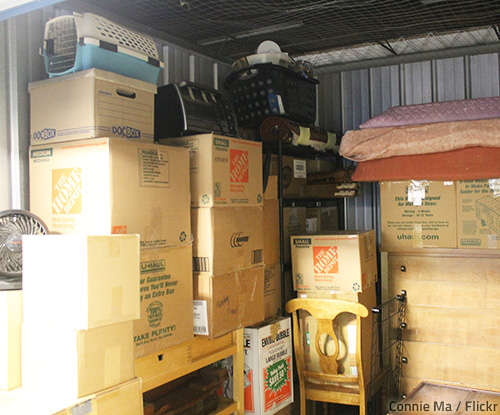
Neat, clean, and secure.
4) Arrange the storage device strategically — Set your biggest items in the rear and close to the walls of the storage mobile and organize smaller objects ahead. Leave a space between your saved possessions as well as the walls of this device to ensure decent ventilation. Leave aisles between those things, and that means you’ve got access to the rear and sides of the storage device (be sure that the labels of these boxes are confronting the paths ). Be cautious about where you put your items with respect to one another — keeping gardening supplies alongside your mattress or even a fine furniture piece, by way of instance, is a terrible idea.
View also:The best way to package a self-storage unit
Your correctly saved items will stay in great shape and will be prepared to use if you want them again. And that’s the end purpose, right?