In virtually all cultures across the planet, rain is thought to be a indication of blessing and also an omen of good fortune. And if you certainly wish for good fortune when moving home and starting a new life at a brand new location, you’d most probably favor it did not arrive in the kind of rain on Transferring day. In actuality, rain clouds over the horizon over the day of the transfer are more inclined to be regarded as a harbinger of tragedy instead of a sign of superior luck.
And really – a heavy rainstorm can totally mess up your move. A mild drizzle can make a good deal of problems and pose lots of additional challenges for your relocation undertaking. You won’t just must discover a means to keep your possessions dry and safe, but will additionally have to look after the flooring and rugs in your house from the dirt and sand which will be monitored inside when going out and out from sunlight. And of course that the danger of accidents and accidents is significantly greater when moving from the rain.
Thus, what to do when it rains on moving day? The way to guarantee the security of your possessions, your house, your loved ones, your movers, along with your self when it is pouring outside in the right time of your transfer?
Below are a few insightful strategies for moving home from the rain which can allow you to execute a sleek and trouble-free move even if it’s coming down in buckets over the major moment.
Packing Precautions
In the event the weather forecast predicts rain at the evening of your movement or whether you are residing in or moving into a location that sees a good deal of rain, then you have to plan ahead of time and take some powerful precautionary steps which will enable you to execute a secure and productive play, irrespective of the atmospheric problems.
Your first and foremost job is to offer your possessions with sufficient protection from moisture and inclement weather. Should you”watertight” your things nicely enough, you won’t need to be worried about water damage even when moving home from the rain.
1) Use standard moving boxes and keep them shielded in the water
New cardboard boxes which are specially intended for use at the moving business are more powerful and stronger than you can think. Unless they are subjected to moist conditions for very long intervals, quality moving boxes may offer your possessions with great enough protection from moisture. Just be certain to seal them nicely with packaging tape.
Remember though that old cardboard boxes could be worn out thin in areas or threatened by previous applications, so that they can easily reduce their structural integrity and fall apart if they get wet and soggy. If You Wish to work with old boxes to the move, you Will Need to take some Additional steps:
- Reinforce the poles with various layers of packing tape round the corners, borders, and bottoms;
- Inspect the poles carefully and tape across any holes or tears you find;
- Line the sticks to cut water intrusion – place a plastic sheet, then drop cloth, or garbage bag to the box to ensure it covers the base, place your objects within the container, and fold the sides of the plastic covering on the materials. Tape them together with packaging tape;
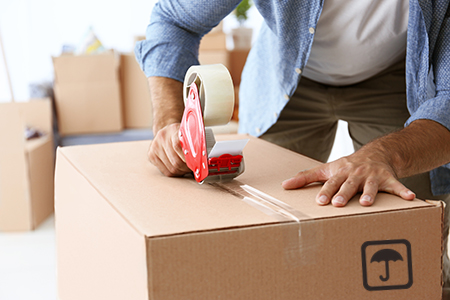

Wouldn’Can it be nice if each packaging box arrived armed with a umbrella? - Place your things in plastic bags before putting them at the boxes;
- Contemplate covering the boxes completely in plastic sheets or tarpaulin or placing them in big plastic bags.
Great to recall:
- Lift and maintain the boxes out of the ground for assistance;
- Do not place the boxes onto the moist floor out;
- Place boxes which contain very precious things or newspaper things (books, photographs, etc.) in vinyl bags for additional protection.
Two ) Use plastic bins Rather than cardboard boxes
Vinyl boxes will offer the finest possible protection for the items when going from sunlight — water cannot harm the vinyl containers or float for your possessions. They’ll stay dry and safe during the whole moving process, however intensely it rains out. Just be certain that the lids fit snugly (if there aren’t any openings, then pay them with plastic and tape it securely in position ).
3) Wrap your family things
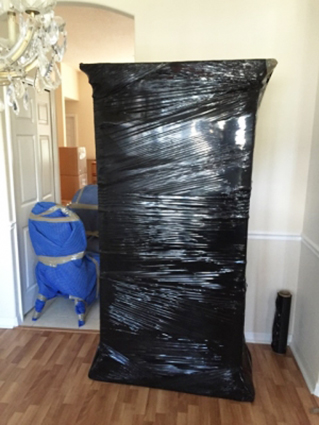
Wrap everything that’s not securely packed in watertight moving containers — utilize moving blankets, old towels, or any other comparable substances to offer a protective layer between your objects and the rain, and then pay the wrapped things with plastic wrap, plastic sheets, plastic drop cloths, or tarps to keep moisture off. Use packing tape to ensure the plastic wrap in place.
While stretch wrapping is the very best selection for packaging furniture along with other large household items for transferring from the rain, even smaller objects may be economically protected in the water within plastic bags — although straightforward garbage bags will work.
4) Certainly label items Which Shouldn’t get wet
Utilize a bright-colored, permanent markers to write”KEEP DRY” or”DON’T secure WET” on most the sides of boxes and wrapped objects which are particularly prone to water damage. In this manner that the movers will understand that they ought to be really cautious when handling the things and will make every thing possible to stop their contact with moisture (will wait for a lull in the rain to carry them to the moving truck, can place them along with different things and out of the outside walls when packaging them at the moving van (to prevent any water onto the ground along with any rust on the faces of the vehicle ), etc..)
5) Use specialist packaging services
If you are anticipating torrential rains on going day, then you might wish to look at hiring specialist packers to prepare your items for dispatch. They are going to have the specialized know-how and excellent packaging materials necessary to keep your possessions safe and dry from the rain. Anyway, the pros will have extensive knowledge in handling all sorts of packaging and movement challenges and are going to have the ability to guarantee the greatest possible security for your items throughout the whole moving process.
6) Pay particular attention to exposed things
Aside from clearly tagging things which are prone to water damage, You Have to take some more precautions when transferring them in the rain:
The way to move furniture if it is raining
Furniture is particularly vulnerable to rust:
- Wood furniture can get moldy when subjected to moisture for quite a very long moment. In any case, water will harm the delicate end of this timber and will leave nasty stains on the surface. Excessive moisture may even make the wood to warp or swell. It might completely ruin a few more delicate wooden bits;
- Upholstered furniture may get soaked and might be greatly stained or stained if left unattended from the rain. Leather, particularly, can sustain irreversible harm;
- Metal bits will become rusty and corroded.
In order to stop damage to your furniture if transferring it from the rain, then you Want to protect it in the water:
- Wrap all furniture pieces at thick plastic and blankets twist;
- Disassemble bigger furniture and package each piece separately;
- Utilize tarpaulin to supply a little additional protection when shooting out the furniture of your house and to the transferring tuck;
- Don’t place the furniture pieces onto the wet floor, etc..
When the furniture has been loaded on the moving truck, eliminate the further coverings and completely wash the surfaces using towels or soft fabrics.
The best way to transfer a mattress at the rain
Transferring a mattress at the rain is extremely insecure as even a little bit of humidity can destroy the bedding entirely. If a mattress becomes soaked up, it cannot be readily dried and stays wet for quite a while. Consequently, mold begins growing on the porous substance and immediately impacts the whole mattress. You’ll not have a option but to lose it.
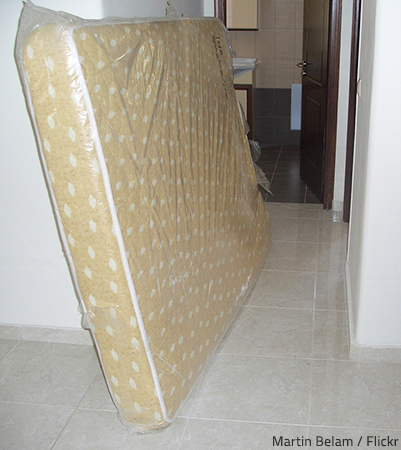
To prevent this unfortunate situation, you will need to keep your mattress fully dry and well shielded from moisture. It’s, consequently, a fantastic idea to obtain a particular mattress bag, bed pads, along with other suitable protective stuff to the bedding and package it extreme caution. You will discover comprehensive info about how to best package a mattress to get transferring here.
The best way to package electronics and appliances for transferring from the rain
Water may lead to great damage to electronics and electric apparatus. When transferring a TV, refrigerator, washer, or another home appliances or sensitive electronic equipment from the rain, then you will need to make certain that they will not come in contact with moisture — package them in their original boxes (or other comparable sized boxes), supply adequate padding in the containersand seal them well, and wrap them into moving blankets and excellent vinyl caps to keep them dry and safe throughout the whole moving process. Remember to tag them as things which should not become moist and, if you can, wait till the rain ceases to transfer them.
SEE ALSO: The best way to package appliances for transferring
The best way to protect art from moisture
Wrap your framed images and other fragile functions of art in plastic wrap to prevent moisture from getting to the precious pieces. It’s ideal to use exclusive image boxes to your paintings and also to place your additional art in custom made wooden crates, then protect the boxes or crates with waterproofing substances for greatest protection.
SEE ALSO: The best way to package images to get a secure move
The best way you can keep rain off your garments
When clothes get wet, they might be impacted by mould and destroyed. The simplest way to keep them dry when moving home in the rain would be to set them in big size garbage bags (you may also pack clothes on hangers directly into a garbage bag — only make a hole in the bag to the trunk of the hanger — or even wrap them into bundles with the aid of plastic wrap).
SEE ALSO: The way to best package clothing for transferring
The way to move publications from the rain
Paper can’t endure excessive moisture, which means that your books will need to be securely packed with waterproofed transferring containers as explained previously.
SEE ALSO: The best way to package books for transferring