Home Moving Blog How to Decide What to Keep and What to Throw Away When Moving

How to Decide What to Keep and What to Throw Away When Moving

Thursday, January 30, 2020
Deciding what to keep when moving is very difficult.
Selecting is the Toughest part of a Procedure.

Moving is a lot of things — a stressful encounter, a costly undertaking, a challenging endeavor, a fantastic challenge, an exciting experience… Yet, most importantly, it’s an opportunity for a new start — a brand-new life in a brand-new world.

It provides you the chance to begin afresh and depart whatever you did not like on your previous life — from the shabby old residence and crappy old job into your dull daily routine and undesirable reputation.

It provides you the chance to construct the life you have always wanted on your own , do exactly what you’ve always wished to do, make your dream house, discover your dream project, begin wonderful new connections, and surround yourself with items you really love.

So, in case you”leave everything behind and move on”? Or if you maintain all that defined your life and your self for so many decades? Or simply take the things which you love and eliminate everything else?

Nobody is able to help you make that decision in respect to values, habits, relationships, and so on.

If it comes to material products, however, things are more straightforward — you can take the things worth carrying and throw off the remainder.

However, how to choose what to keep if going? What to eliminate before you proceed? Which products are worth the cash and effort necessary for their move and which ones are not?

Here are some tips That Will Help You make the Ideal choice:

How to Determine What to Keep and What to Eliminate When Moving

The fewer things you relocate to a new residence, the bigger the shifting costs will be, needless to say. However, this isn’t the only advantage of paring down your possessions in front of a movement — loading and packaging will require less time and effort, there’ll be fewer items to keep track of and be worried about, unpacking will probably be quicker and simpler, and, most importantly, there’ll not be any junk and useless mess in your new residence.

Therefore, when packaging for moving, be sure to take just things you really wish to maintain and genuinely appreciate having around. If in doubt, think about:

1) the worth of this Item

Whether a product is worth moving isn’t so much on its own fiscal worth as on its sensible usage and/or sentimental meaning:

Only you can make the right decision about the fate of your items.
Whether a product is valuable or useless depends upon your viewpoint.

# to Find out the functional value of a thing , ask yourself:

  • How frequently do you use it? Can it be there out of necessity or from habit?
  • How easy is it? Does this make your life easier or more comfortable?
  • Is it in good shape? Does this work well and meet its goal?
  • Can it be high quality and lasting?
  • Can it fit into a new residence (with respect to space, design, and design )?
  • Are you going to be able to utilize on your new environment?

If something can be used only on rare occasions (if ever!) , has already worn out or be obsolete, does not function correctly, does not fit into a new home or flat, or will not be useful in your new way of life, it would be better left behind.

# Things with fantastic sentimental worth contain family heirlooms, personal favorites, and keepsakes you are emotionally connected to. All these are the items that you are going to want to hold on, no matter what, so they’ll be definitely in your packing checklist. However, be certain that you keep just the things that actually matter for you, not each single thing from the previous (maintain the painting your very best friend attracted to you in your graduation, by way of instance, but take photographs of all of the art your children did in pre-school and do not attract the real things together ).

Collector’s items, vintage items, pieces of artwork, along with other rare or special items which are every hard (or impossible) to substitute ought to visit your new residence too (unless you do not enjoy them and do not want them anymore, of course).

2) The Kind of Your Transfer

If you are moving locally, you will likely opt to take the majority of your possessions with you -hauling them to your new address will not be very hard or very costly, the climatic conditions are the same, that the lifestyle on your new environment is not likely to be somewhat different from what it had been before the transfer, etc.. Because of this, it does not make sense to discard appliances, furniture, along with other bigger and more expensive household items which are still in good shape and fit in to your new residence, or some of those clothing and shoes that you wear regularly, or some other home décor, bedding, personal items, hobby materials, etc. which you enjoy and purchase similar ones following the move.

If you are moving cross country, it is going to be best to leave the majority of your big, heavy, seldom used rather than dearly loved possessions behind and bring together just things of good practical or sentimental value. It’ll be extremely tough and very expensive to move a whole lot of items such a fantastic distance and, moreover, your new place along with your new lifestyle will probably be quite different from earlier, and that means that you won’t require a lot of your old things anyhow.

If you are moving overseas , you are advised to take just some personal items along with your most valuable possessions with you. Moving household goods abroad is very difficult, expensive, and risky, and of course that the majority of your items will not be right for your new life in your new state.

3) The Moving Price

The move cost is another important aspect to take into consideration when deciding the best way to keep if going.
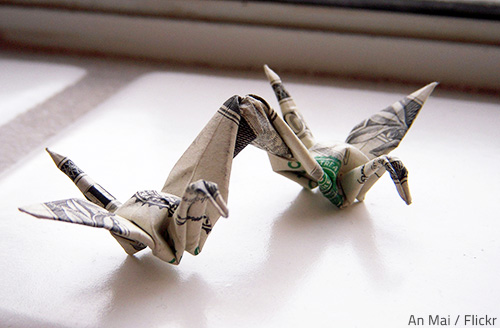
Consider the moving costs when deciding what to take when moving.
Moving prices can quickly soar up high…

The moving price Depends upon the distance of the transfer and also the complexity of the project:

  • In case of a local transfer, the moving price is based upon the time that it requires the movers to execute the relocation (organize your items for dispatch, load them on the moving truck, then transfer them to a new residence, and unload your products );
  • In case of a long-distance movement, the moving price is based on the true space for your new residence along with also the weight of your cargo;
  • The longer technical additional services (furniture disassembly, hoisting, etc.) are needed for the transfer along with the greater quality packaging materials are required for ensuring the protection of your possessions, and the greater the moving price will be.

To discover how much it will cost you to transfer your old things to your new residence, you’re advised to fill at a moving quote and ask binding onsite estimates from many reputable moving companies – if you compare the supplies, you are going to find a fantastic idea of your closing moving price and will have the ability to determine what to take and also to do away with before the relocation.

Great to recall: If a product is quite hard to maneuver and/or the probability of harm to the item throughout the move is quite large (since the thing is quite delicate, highly sensitive, oddly-shaped, overly thick, etc.), it might be better to not take this thing with you. When it’s an irreplaceable thing you can not endure to live without, you might wish to think about utilizing custom crating services (or other technical moving services, as appropriate) to make sure its security throughout the relocation.
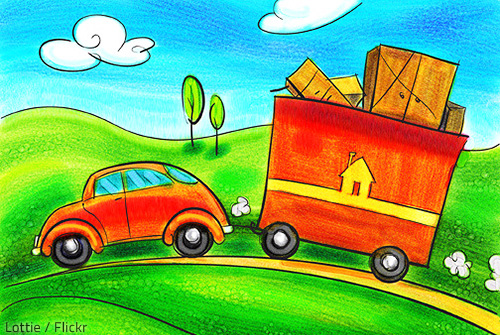
Things to Consider When Moving Out

Having considered All the aforementioned factors, It Ought to Be Simple to decide what to keep in mind going — items you’ll need, things that you love, and items that are difficult or impossible to replace (since They’re very rare, very expensive, or possess particular sentimental significance to you):

  • Important records — private documents (passports, birth certificates, driving licenses, social security cards, diplomas, marriage certificates, etc.), fiscal records (credit cards, bank statements, loan documents, tax returns, property-related records, etc.), medical records, school records, pets’ records, etc.;
  • Jewelry and other valuables (bits of artwork, collectibles, silver and gold items, crystal items, etc.. );
  • Vital electronics — notebooks, telephones, tablets, cameras, etc.;
  • High Excellent furniture pieces;
  • Household items at great shape you use on a daily basis;
  • good quality, correctly fitting shoes and clothes, suitable for the climatic conditions in your new place;
  • Yours and your household members’ favorite things — precious books, toys, hobby items, along with favored household things (also as you pets’ favorite things );

    When moving, take everything you truly love.
    Make certain to bring together everything that will make you feel at home in your new environment.

  • Family heirlooms, keepsakes, and other exceptional items spent with great sentimental value;
  • Art you enjoy;
  • Photographs, decorations, and other treasured things which can make you feel at home on your new home or apartment;
  • whatever you love and love getting around.

When you’ve determined what to consider when going, create a comprehensive inventory of those items that you’re likely to relocate and find a secure and inexpensive means to transfer them into your new residence. It is possible to rent a moving truck and transfer your possessions yourself or hire professional movers to perform the task for you and save you a lot of time, effort, and problem (the seasoned moving experts will guarantee the greatest possible security to your belongings and will send them to your new home intact and unscathed).

See also: Transfer your self or hire a plumber — the best way to resolve the Best problem

Things to Eliminate When Moving

Deciding what to throw off when moving could be a challenging undertaking, because most men and women find it difficult to give up things they’ve possessed for quite a while and become used to (and even more difficult to part with inanimate things and memorabilia). However, bringing unnecessary mess to your new residence isn’t just pointless, but may also increase the cost, complexity, and also strain of your relocation.

Thus, you want to be firm and resolute on your choice to pare down your possessions and reevaluate your movement and your new life. (It will be easier if you bear in mind that losing a specific item doesn’t mean shedding your emotions towards the loved or respected individual who lent it to you personally or your cherished memories of this past event it’s connected with.)

Here are some tips on what to eliminate before you proceed:

  • Broken, damaged, expired, or worn out things that can not be used ever again;
  • Furniture and gear you won’t have the ability to utilize on your new environment (such as your gardening tools in case you are moving into a apartment or your own king size mattress if you are moving to a small area );
  • Outdated things — older electronics, appliances, and other things which are no more useful (or you want to replace with newer, fancier, and much more operational versions );
  • Low-quality furniture — normally made from particle board, very low excellent furniture is quite vulnerable to damage and unlikely to survive the transfer in 1 piece. In any case, furniture is bulky and heavy, so it is going to cost a whole lot to relocate. You Will Have the Ability to Purchase a New similar item for the Exact Same cost it will cost you to transfer the older one – or perhaps more economical (See also: Transfer it or market it);

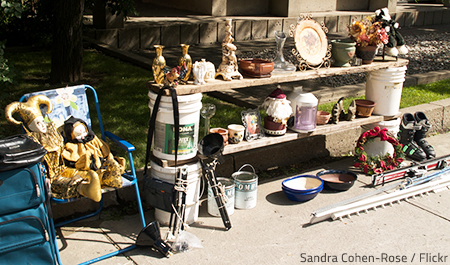
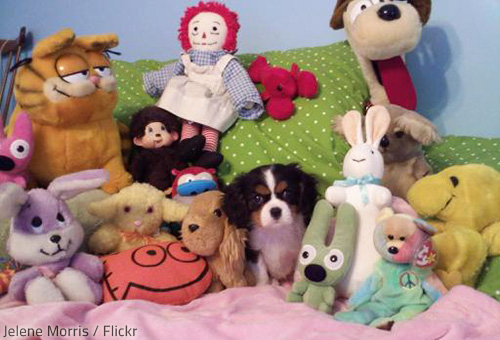
    Deciding what to throw away when moving can be a painful process.
    At least among those fluffy creatures will make it into your new residence.

  • Outgrown things – clothing, toys, shoes, games, books, collectibles, etc. which are unsuitable for your children’ era;
  • Clothes and shoes which aren’t acceptable for the weather into your new place (such as fur-lined coats and boots if you are going to Florida);
  • Clothes and shoes which are out of vogue or do not fit correctly;
  • Towels, sheets, blankets, and other bedding — those things are rather bulky and will require a good deal of room, therefore it is a fantastic idea to utilize some of these as conductive substances and leave the remainder — they are inexpensive and needs to be replaced every couple of years anyway. Additionally, it is going to feel really wonderful to have fresh towels and sheets on your new house;
  • Copy items and additional items — you do not want three distinct sets of cutlery, do you?
  • Kitchen items (appliances, cookware, dishware) you hardly use in Addition to mismatched cups, cups, plates, bowls, etc.;
  • Hobby items and specialty gear (sports gear, musical instruments, etc.) nobody is considering anymore;
  • Hoses, figurines, gardening resources, and other garden items – transferring gardening things is Not Just tough, but also poses the risk of transferring a possibly invasive pest or weed species into your new area;
  • Old press You Do Not like (older CDs, DVDs, Blu-Rays, Video Games, magazines, catalogs, posters, laptops, etc.);
  • Old records and old email — be sure to shred the newspapers or burn them to prevent identity theft;
  • Affordable artwork — unless you really like it;
  • Novels you do not really love — novels Are Extremely heavy and will immediately add up to the shifting price, so you should bring together just your favorite notes;
  • Toilet items and cleaning gear — even older superstitions require you to bring a brand new broom for your new home, you understand;
  • Cosmetics and toiletries Which Are easily replaceable (or almost consumed ) — these goods are cluttered and Occupy Plenty of space, so you are advised to take just a little supply with you and throw anything away cheap which can be easily replaced following the transfer;
  • Hobby materials Which Are easily replaceable — there is no reason to pay for their relocation If You’re Able to buy new ones for inexpensive on your new place;
  • Gifts, souvenirs, and decorations you do not enjoy;
  • Knick-knacks that Don’t Have Any special significance;
  • jobs you have around to doing — like the guitar you’ve never learned to perform, the novels that you never had the time to browse, the older furniture you planned to refinish but never did, the more broken gadgets you’ve never mended, etc..
  • Anything overly risky to proceed — plasma TVs, aquariums, plants, and other delicate, delicate, or sensitive Items Which have little Opportunity to survive the transfer;

    Get rid of anything you no longer need or love before the move.
    Each and Each of those items can make somebody else happy…

  • Anything which would make somebody else more joyful than it gets you;
  • Whatever you forgot you owned — should you forgot about it, you definitely don’t want it or take care of it;
  • Anything still unpacked from the final move — these are things you needed to eliminate before your very last movement. It is high time to do this today.

In 1 word — when going, it is a fantastic idea to eliminate your no longer needed, no more adored, or simple to substitute things and begin afresh in your new residence. In this manner, you’ll have the ability to fill your new location with items that fit in very nicely and things you actually enjoy and make the house of your dreams.

As Soon as You’ve determined what to throw off when going, you Want to Discover a way to Remove your unwanted things too:

  • Recycle broken electronic equipment, old magazines, papers, and other unworthy newspaper materials, plastic containers, plastic containers, metal products, glassware, and whatever else which may be recycled;
  • Ask family and friends if they prefer or want any of your unwanted things;
  • Donate valuable items in great shape to local charities, orphanages, shelters, community centers, etc. to assist people in need;
  • Sell pricier things on the internet or in a garage sale to pocket some excess cash for your transfer. (carrying them to a consignment shop is also a fantastic alternative, if you do not have enough opportunity to market them yourself).

Have a safe and productive move and a joyful new life with no clutter and previous proportions!

Go back
Share:

Get a Free Moving Quote

  • 1
  • 2
  • 3
  • 4

What size is your move?

  • 1
  • 2
  • 3
  • 4

Moving date

  • 1
  • 2
  • 3
  • 4

Personal Details

  • 1
  • 2
  • 3
  • 4
Thank you.
Your message has been sent.
We’ll contact you soon.