Home Moving Blog The Biggest Risks of a Self-Move – Obvious and Hidden DIY Relocation Hazards

The Biggest Risks of a Self-Move – Obvious and Hidden DIY Relocation Hazards

Monday, April 27, 2020

Every switch is a challenge — it provides lots of chances and brings a great deal of enthusiasm, but causes great stress and presents a variety of difficulties also.
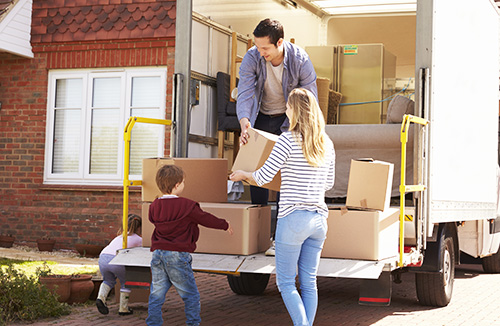
A self-move gives you control of the relocation ptrocess.
A self-move permits you to take things in your own hands. Quite literally.

Moving home – among the very life-changing events a individual can ever encounter — makes no exclusion. In reality, it introduces an whole set of challenges – locating an proper new house, moving all of your earthly possessions to another place, leaving friends and familiarity with, adapting to a different environment, etc.. Organizing and doing the true relocation is a significant trial too — you want to pack your possessions, find an efficient means to transfer them into your new residence, set up your new location, etc..

There’s not any doubt that if confronted with a home move, you are going to do to do your best to conquer the challenges and ensure a smooth transition into your new life. And because you probably don’t expect everyone to take much better care of your things on your own, you might believe that it will be best in the event that you do it on your own.

Doing a DIY move will surely give you better control of the relocation procedure (you’ll have the ability to do things in your own speed and on your own way) and can save you a few troubles down the street (for instance, coping with rogue movers, by way of instance ). And of course, that it is apparently a far less costly alternative than hiring professional movers.

However, a self-move poses many dangers that may easily lead to a moving horror narrative unless correctly assessed and satisfactorily prevented.

Thus, prior to making the courageous decision of moving from yourself, be certain that you’re well aware of the possible dangers (both apparent and hidden ones) and think about your other choices too — you could realize that a DIY relocation isn’t worth the danger, whatsoever.

Here are the largest relocation dangers you may face if You Decide to proceed without professional assistance:

#1. OBVIOUS SELF-MOVING RISK: Damaged Items

The very first picture that springs to mind when considering the probable dangers of moving home is a smashed box filled with broken products. It’s such a frequent situation that individuals might in fact be surprised if they find all their possessions intact upon shipping.

However, if you employ experienced packers to prepare your items for transport and dependable movers to transfer them to a new residence, your possessions have every opportunity to survive the relocation sound and safe. The experts have the abilities (wealthy experience and deep knowledge) and the tools (quality packaging supplies and technical moving equipment) to perform the work right and guarantee that the greatest possible security to your possessions. In any case, they provide insurance options which cover the price of repairing/replacing things which were damaged or lost while in their custody, and that means that you may get your reassurance.

If you Choose a self-move however, you put your possessions at great danger:

Damaged items are among the most common moving risks.
A busted cup might not bring seven decades of terrible luck, but locating your favourite coffee collection in bits will probably destroy your moving experience.

1) You may not Have the Ability to package your things securely enough:

  • You might not have appropriate packaging stuff ;
  • you might not understand how to package a box the ideal manner ;
  • You might not be knowledgeable about the particular packing techniques for various kinds of things — clothing , sneakers , novels , breakables, furniture, appliances, electronics, etc.;
  • You will dedicate a major packing error , etc..

Two ) You Might Not Be able to securely load/unload your things or fasten them correctly within the moving automobile :

  • You might hurt your possessions when shooting them out of your house or if loading them onto the moving automobile (shed them, bump them from a wall or a door frame, etc.. );
  • you might not understand the way to correctly package the moving truck or how to protect against the things inside from altering, toppling over, or even bumping into each other during transit;
  • You might damage your goods if unloading them in your final destination and carrying them within your new residence.

3) Your things can get stolen or damaged during transit:

  • You might be unable to safely browse the big and heavy moving automobile — some sharp turns, sudden stops, or rapid accelerations during transport may lead to vibrations or shocks which could harm your things;
  • You might not have provided appropriate protection to your sensitive things — art, electronic equipment, and other fragile posts may get damaged if they invest a great deal of time on the street in extremely high or very low temperatures;
  • you might get in a traffic accident and shed (or poorly harm ) your possessions;
  • Your possessions can get discharged once you stop for a break and leave the moving automobile unattended for a while (during the nighttime, while having a meal, etc. ) ).

Additional useful information: Driving a moving truck hints

4) Your possessions may not have sufficient insurance, which means you are going to need to pay the complete replacement or repair costs from your pocket if something happen to your possessions on the street.

Connected: Kinds of moving insurance

The potential harm to your things is among the clearest dangers of moving on your own, but it’s not the sole danger of damage in a self-move.
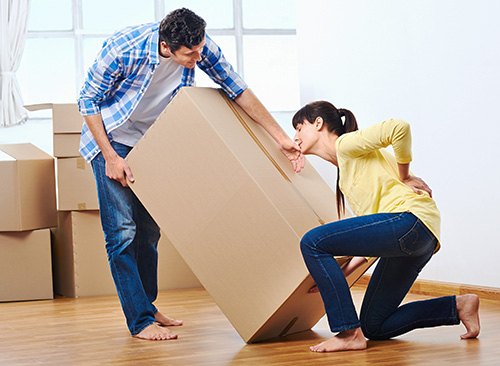
#2. HIDDEN SELF-MOVING RISK: Property Damage

Property damage and damaged items are only some of the many risks of moving house.
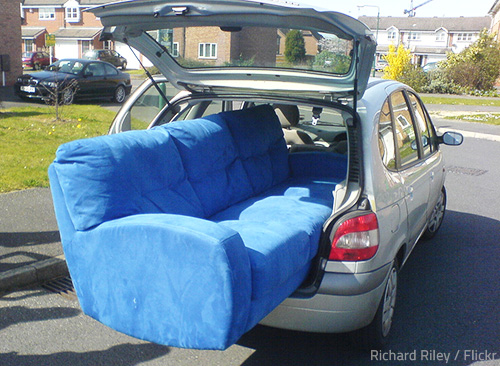
Perhaps not precisely the safest way to transfer a couch, you visit.

As you’ll definitely consider the protection of your things if planning a DIY move, you’ll most probably forget about the protection of your residence. However, your previous home or apartment is at great risk on move-out day and your new location is at both major danger on move-in moment.

You might not have the correct equipment and specialized know-how to safely accept your things from your old residence or to your new one. This could easily lead to:

  • Ruined floors – Engineered hardwood flooring, torn carpeting, broken tiles, etc.;
  • broken walls and/or doorway frames – cracked or cracked walls, chipped or cracked door frames, etc.;
  • ruined staircase — cracked staircase measures, broken banisters, etc..

Professional movers, on the other hand, bring proper moving equipment (usefulness dollies, furniture dollies, furniture pads, moving blankets, etc.) and take great precautions to protect the house from harm. In any case, they have extensive experience managing all sorts of household things and understand how to proceed every post at the most secure and most effective manner possible. Your property will stay in excellent condition during the whole relocation procedure.

See also: The way to Reduce property damage when moving home

Essential moving gear and gear to have when going on your own

#3. HIDDEN SELF-MOVING RISK: Personal Injuries

The misfortune of getting your possessions or your own house damaged during the move project is outweighed only by the danger of being hurt in the procedure. Accidents and injuries may not just ruin your moving experience, but also place yours and your loved ones’ health and well-being at risk, so they have to be avoided whatsoever costs.

A self-move, nevertheless, significantly increases the probability of personal accidents — both you and your family members and friends will do a great deal of heavy lifting, carrying big and awkwardly-shaped items around, faking yourselves to finish the task in time, etc..

As you most likely don’t have sufficient training or expertise lifting and hauling heavy objects, you are quite likely to breed your back, pull a muscle, or sprain an ankle in the procedure. You might even trip and drop or drop a hefty box or item of furniture on your own toes and maintain a significant injury.

Additionally, remember that young pets or children can become severely hurt or cause others to get hurt if they are running about on Transferring day, so they need to be kept off from the moving turmoil.

Safety should be your first concern when moving yourself.
What exactly was it you said about not creating the boxes too thick?

Connected useful advice: Things to do on moving day

The best way to Prevent injuries when moving home

Should you hire professional movers, then they’ll do all of the hard work for you, so that you will not risk getting hurt throughout your relocation experience. The specialists will deal with your move safely and economically — as already pointed out, they’ve appropriate moving equipment, technical training, and abundant experience and can successfully avoid accidents and injuries throughout the relocation procedure.

However regrettable they might be, accidents, damages, and accidents are just some of the various dangers of a self-move. Wasted money and time come next in the list of stressful DIY relocation dangers.

#4. OBVIOUS SELF-MOVING RISK: Lost Time

It is no secret that moving home is rather a nuisance, even in the event that you’ve got trusted relocation spouses from the side. There are several laborious tasks to finish, significant choices to make, and also fastidious details to arrange that you could be at a loss regarding what to do and the way to get it done.

However, whenever you have professional moving support, your preferred movers will take care of the real relocation and will do all (or most of) the job for you. The professionals can look after your move from begin to finish, so that you don’t need to worry about packaging your items, unloading and loading the moving truck, hauling your products to your new location, etc. and will turn your attention to other important things (such as stating a appropriate goodbye to a old home , your older buddies, and your previous lifestyle or taking care of the essential paperwork).

When going by yourself, however, you are going to need to do everything yourself (or even with the assistance of family and friends). The moving trainings will take a Great Deal of effort and time:

  • You’ll want to get an appropriate moving automobile to transport your possessions to your new location — If you’ve got a friend who will give you their pickup truck, this might be simple. Otherwise, you are going to Need to research truck leasing companies in your area (check their validity and standing ), see whether they’ve a moving automobile of the Ideal size available for your favorite shifting day, compare their prices and requirements, and lease a truck — this procedure alone can Have a shocking Quantity of time (See also: Moving trucks manual );
  • You’ll Need to place the required paperwork so — Collecting and organizing your own files (private documents, financial documents, etc.), getting yours and your loved ones’ medical records and school records (in case You’ve Got school-aged children), moving your driver’s permit and upgrading your car’s enrollment, changing your address with the USPS and moving utilities will require approximately a month (See also: Important records to consider when transferring );
  • You’ll Need to sort out your possessions and Eliminate unwanted things — Allow yourself a day or so to stock your things and Make Sure You Determine the destiny of your belongings at least a month prior to the move, so You Have Sufficient time to market a few of your no-longer needed possessions (precious items in great shape ) and contribute, give away, or recycle the rest of the stuff you are not carrying into your new house (See also: The way to Eliminate unwanted things when going );

    Wasting precious time is one of the biggest self-moving risks.
    “If time be of all things the most precious, wasting time has to be the best prodigality. ” Benjamin Franklin

  • You’ll have to package up your house — The packaging procedure can take from a few days to over a week (provided that you spend the entire day to the job ), based on the number of items you’ve got for transferring and how hard to package they are. Professional packers may finish the job in many hours. (Do not forget that you’ll need a while to assemble the essential packing supplies too.) See also: The best way to package your house in 60 measures ;
  • you’ll have to load your things on the moving automobile — This undertaking cannot be completed by a single individual, which means you will want to convince a couple of great friends to come along and provide you a hand;
  • you’ll have to transfer your items for your new residence — Driving for your final destination can take from a few hours (to get a local transfer ) to approximately a week (to get a cross-country travel );
  • you’ll have to unload and unpack your products all by yourself (See also: Room by room unpacking checklist).

Every moving error or incorrect decision will probably cost you a few additional hours or even days, obviously. Not only are you going to need to sacrifice a great deal of your own and work time for everything accomplished, but you are also going to be completely exhausted at the end and will have no time and no energy left to research your new region and adapt to your new surroundings prior to starting your new lifestyle.

See also: How long it takes to move home

#5. HIDDEN SELF-MOVING RISK: Lost Money

Utilizing professional moving services saves lots of time, everybody knows that. However, the majority of men and women think that hiring movers is more pricey and executing a DIY transfer will save them plenty of cash . However, this might not always be true.

If you are moving a brief distance and do not have a lot of things (and no specialization things ) to relocate, then a self-move could indeed function as cheaper option. If you are shifting long distance though, you risk losing a Great Deal of cash if you try to maneuver yourself:

  • You’ll need to take lots of time off work to arrange and carry out a DIY relocation (see over ). If It’s unpaid leave, you’ll shed a Significant Amount of money from the procedure;
  • You are going to Have to pay the moving truck leasing price and Might spend much more money than required if you do not pick the Ideal size automobile;
  • You are going to Have to pay for gasoline, road tolls, parking charges, and extra vehicle insurance — prices Which Are usually forgotten when creating a self-moving budget;
  • You are going to Have to rent supplemental moving equipment (dollies, furniture pads, moving belts, some instruments, etc.) to ease your relocation and protect your belongings and your belongings from harm — for an Excess price, obviously;

    Losing money is not among the obvious DIY relocation risks
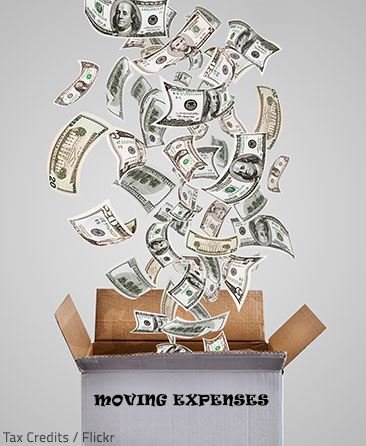
    A dollar here, a dollar there…

  • You will probably spend an excessive amount of money on packaging materials (if you don’t choose to use substitutes and hazard the security of your things ) — you probably don’t have some packaging encounter, which means that you won’t have the ability to package your things economically enough and will use much more packaging supplies than needed (you might damage some substances during the packaging procedure, might not have the ability to improve the space from the moving boxes, etc.) (See also: Where to find totally free packaging supplies);
  • You might inflict harm on your house when shooting out your things from your old residence or to a new one (see over ) and spend more money on repairs (and of course that the expensive medical bills in the unfortunate event of personal injuries through the transferring process);
  • You might need to replace or fix some of your things should they get damaged or lost during the moving process (see over ), parting with a lot of your hard-earned cash;
  • you might choose to buy additional moving insurance to your items (that will cost you another few hundred bucks );
  • you’ll have to purchase your buddies who come to assist you a bit of food and beverages on going day and a few tiny gifts later to demonstrate your appreciation for their aid;
  • you’ll need to cover meals and lodgings, since you’ll spend a few days on the street — little expenditures that add up fast and significantly increase the final price of your relocation.

Additional useful information: Forgotten Expenses of moving in your own

You may lose as much as a couple thousand bucks, depending on the specific situation in your situation and the intensity of your own self-moving errors (if any).

EXTRA SELF-MOVING RISK: Your Relationship with Your Friends May Suffer

You may not have thought about it, however a DIY move may have a negative Effect on your relationship with your buddies:

  • You may request your friends for assistance and they will not be pleased to forfeit their free time to help you with your relocation project. Not only are you going to be bothering them, but you might also place them in danger — an injury may occur on moving day and they can get hurt while assisting you to carry your things around. In the very best case situation, it is going to be a exhausting day of hard labour.
  • A few of your friends may not appear and you might be rather disappointed with those you thought you can always rely.

After all, that a self-move is a really risky undertaking — you risk hours and even days of wasted time, broken household items, missing cherished possessions, property damage and personal injuries, and lots of costly moving errors. Hiring seasoned movers is a far safer, simpler, and more effective (and, yes, much cheaper ) method to have your belongings relocated to a new residence.

Go back
Share:

Get a Free Moving Quote

  • 1
  • 2
  • 3
  • 4

What size is your move?

  • 1
  • 2
  • 3
  • 4

Moving date

  • 1
  • 2
  • 3
  • 4

Personal Details

  • 1
  • 2
  • 3
  • 4
Thank you.
Your message has been sent.
We’ll contact you soon.